On the evening of September 11, a night that should have belonged to tourists, sea breezes and dinner lights, people were drinking beer and enjoying seafood in restaurants around Ochheuteal Beach. A gunshot shattered that calm.
 According to local police accounts cited in the report, police arrested as many as 47 suspects that night and over the following days and seized several long guns and handguns, ammunition and suspected drugs. Most of those involved were Chinese nationals. Reports also suggested the incident may have begun with a dispute between two groups, including over debts or business, before escalating into a street gunfight that police quickly intervened to stop.
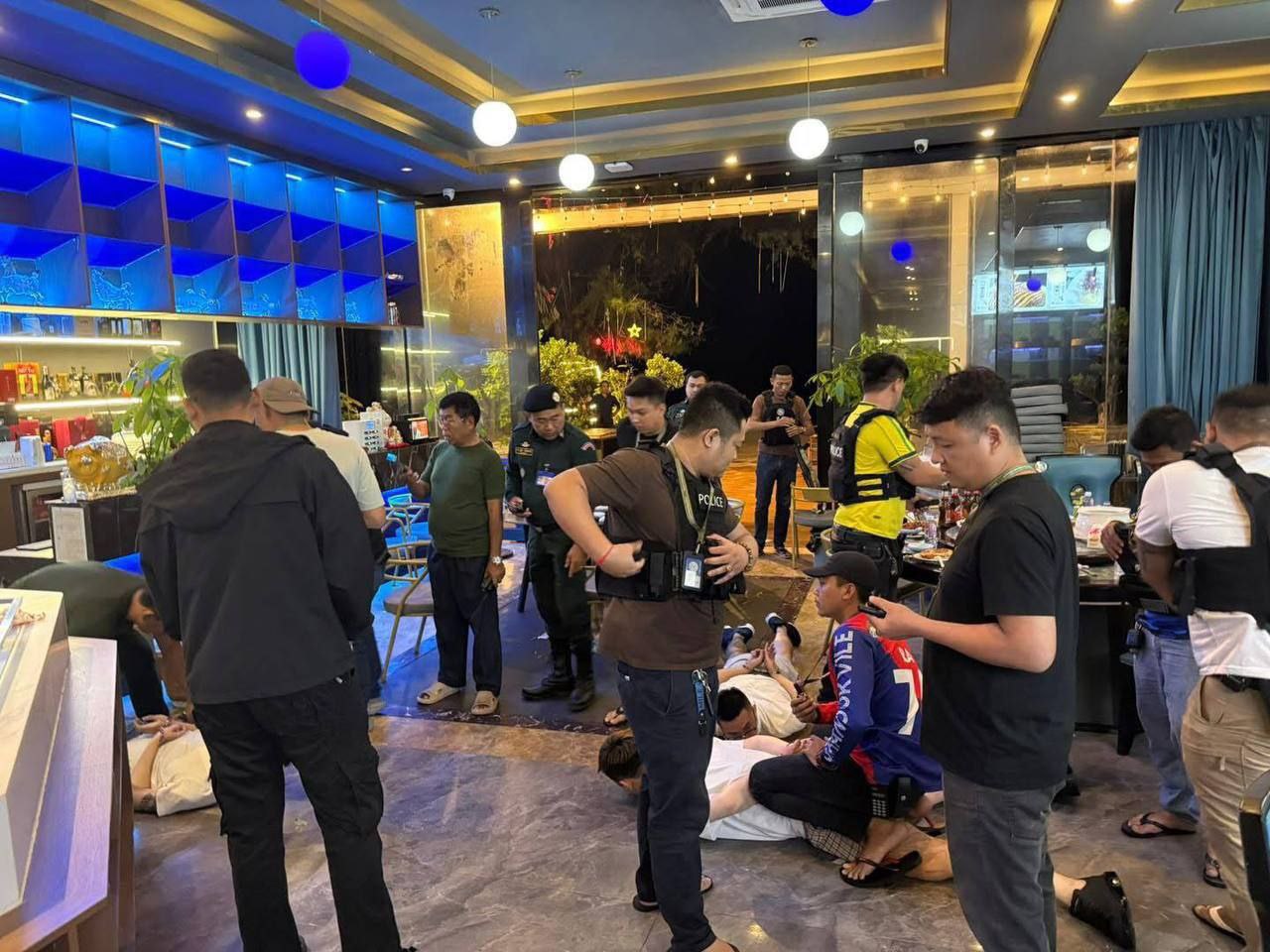 The incident was shocking, yet the commentary argues it was not an isolated occurrence. It touched on vulnerabilities accumulated over time: legacy weapons channels, a rapid influx of outside capital and associated grey economic activity, and longstanding gaps in law enforcement.
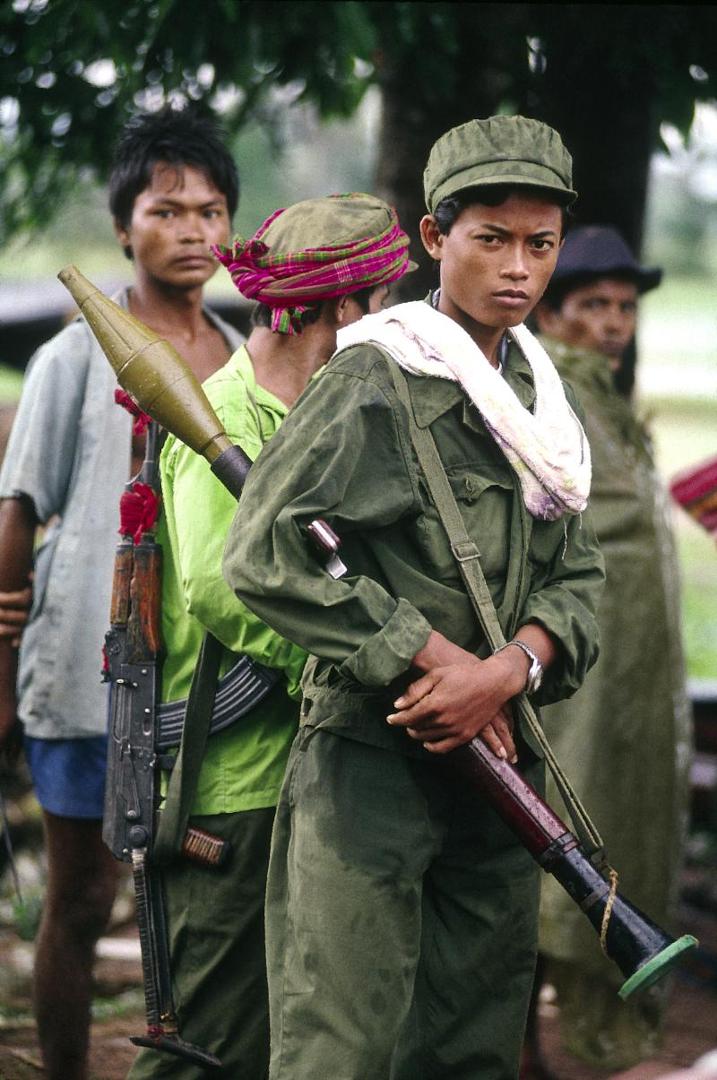
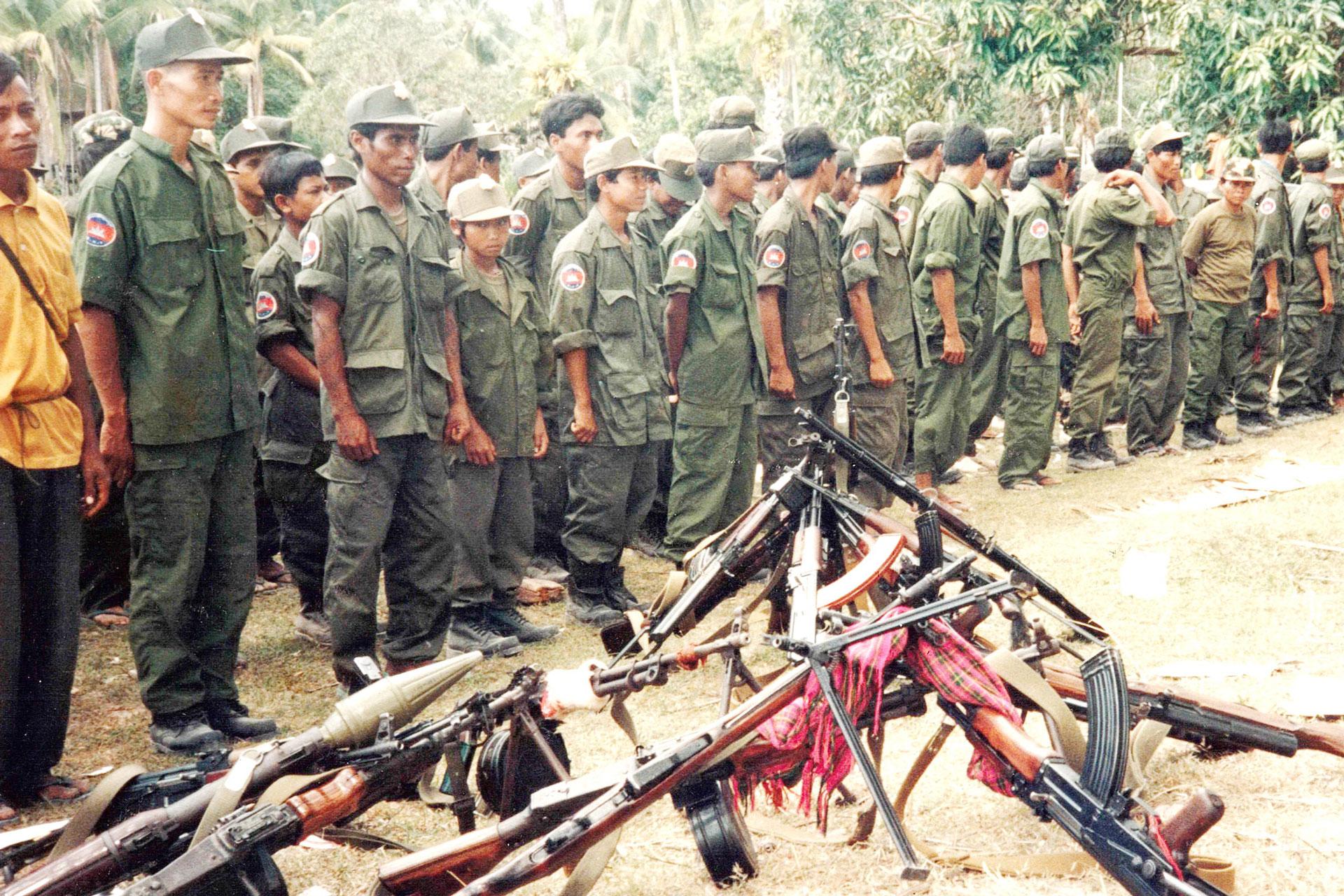
Cambodia's small-arms problem has deep historical roots. Prolonged conflict in the second half of the twentieth century, Khmer Rouge rule and subsequent resistance movements left behind large quantities of weapons, armed personnel and civilian arsenals. Weapons collection and control have achieved results over the years, but academic and practitioner research cited by the commentary indicates that private and black-market possession remained relatively widespread for years after the conflict and created hidden stocks in some areas. This history matters when seeking to understand firearms on today's streets.
The commentary says Cambodia's legal texts are not unclear on weapons control: the 2005 Law on the Management of Weapons, Explosives and Ammunition sets out a regulatory framework, with private possession restricted and subject to permission in principle. In practice, however, historical legacies, corruption and local power structures have created a gap between prohibition and reality. Repeated concerns about weapons collection and destruction and judicial independence show that new rules alone cannot resolve the problem; implementation, transparency and cross-border cooperation are also needed.
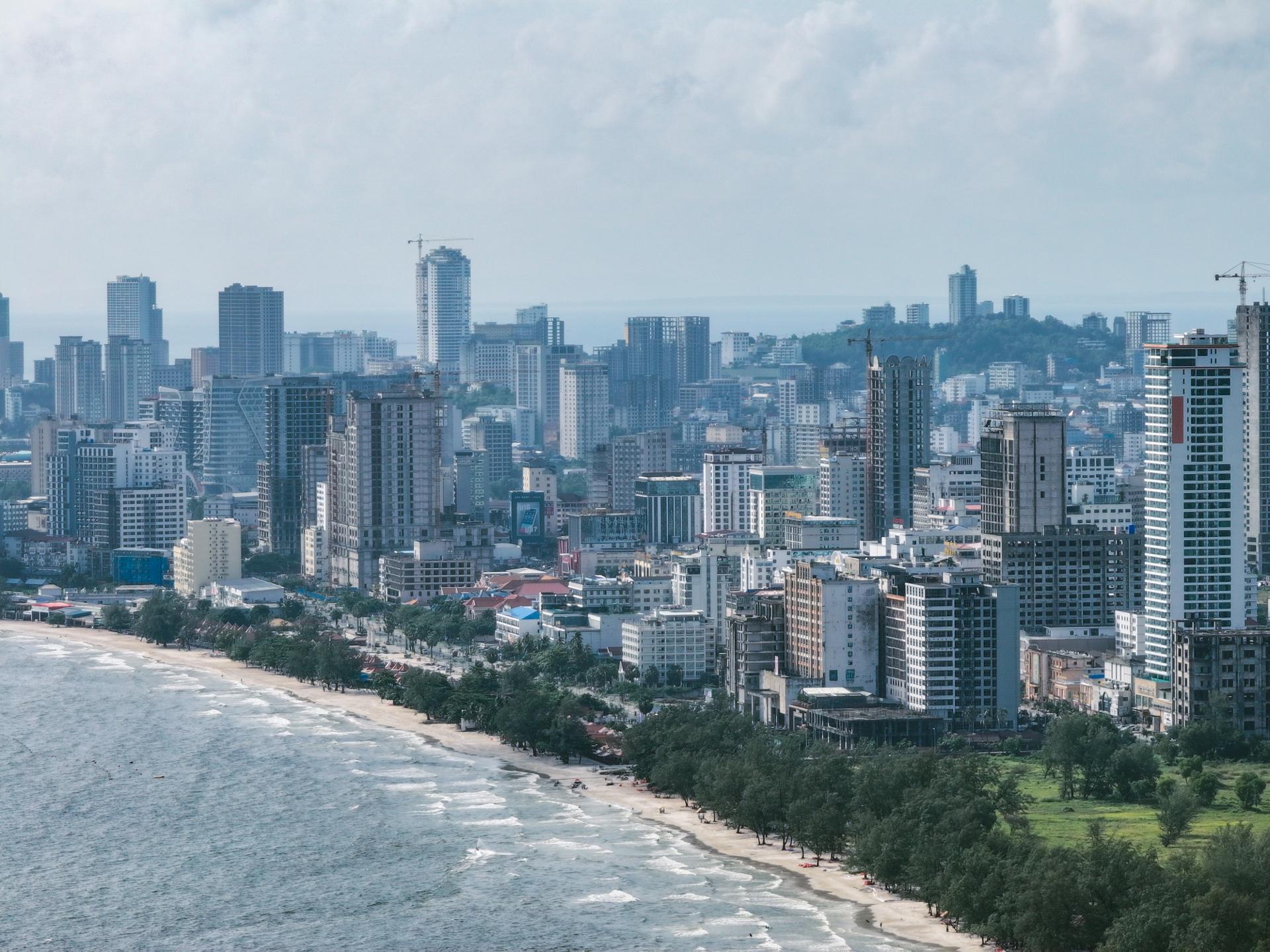
 Sihanoukville has developed rapidly in recent years, with concentrated tourism, property and investment projects attracting large numbers of newcomers and creating more complex security challenges. The case does not mean the overall situation is out of control, the commentary argues; it reminds observers that Cambodia is making security a core governance objective.
 The large police operation sends a firm signal, in the commentary's view: the government is stepping up investigations into gun and drug cases rather than leaving them unchecked. Interior Minister Sar Sokha's recent visit to chair a Sihanoukville security meeting on public order and transnational crime is important for investor and tourist confidence. Continued weapons collection, regulation of entertainment venues and cross-border law-enforcement cooperation are also intended to create a more transparent, predictable environment.
 A sense of security is not a slogan but a series of visible actions. Sihanoukville needs more than silence after deafening gunfire; it needs a lasting, verifiable security order. Only then can investors commit with confidence and visitors enjoy the sea without fear.
Compiled by the station