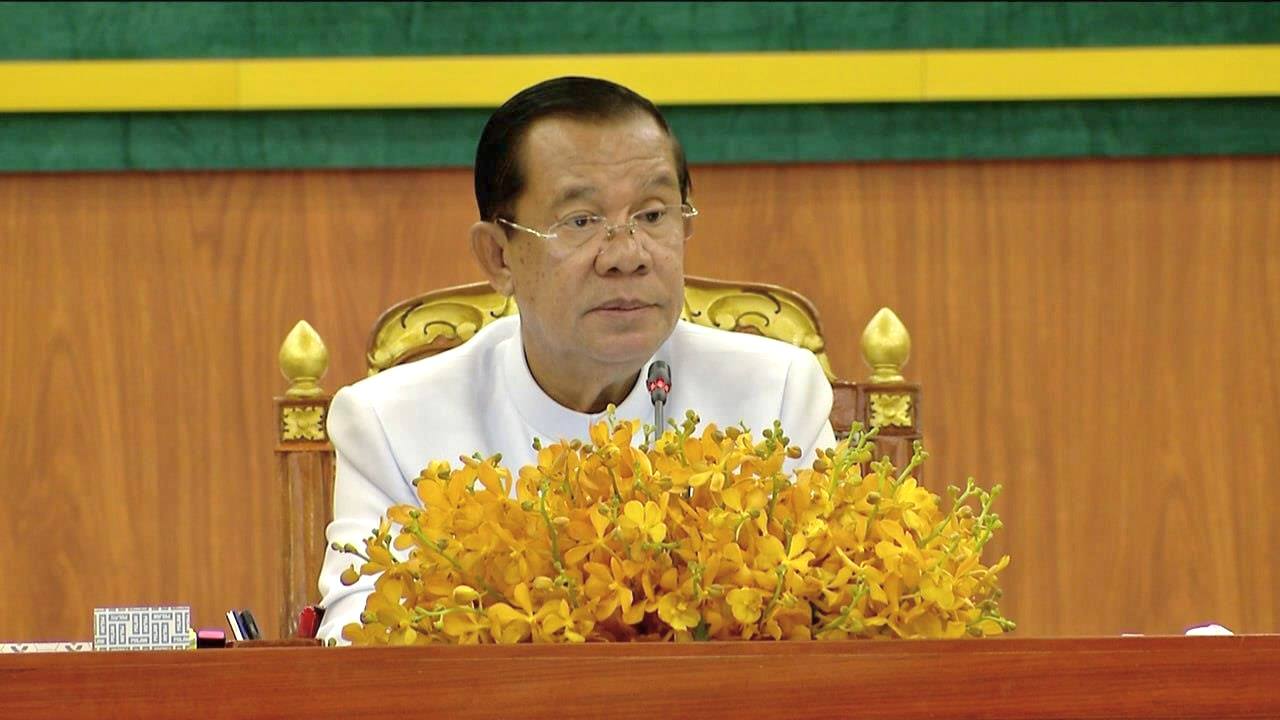
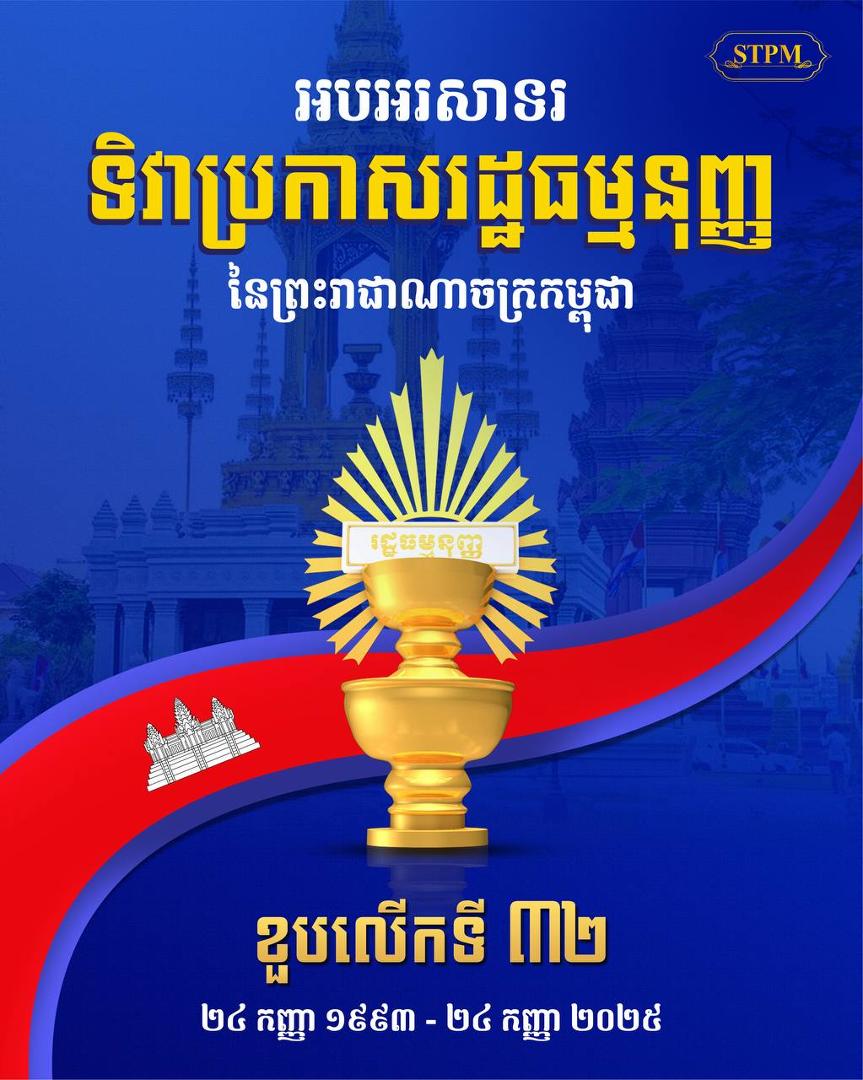
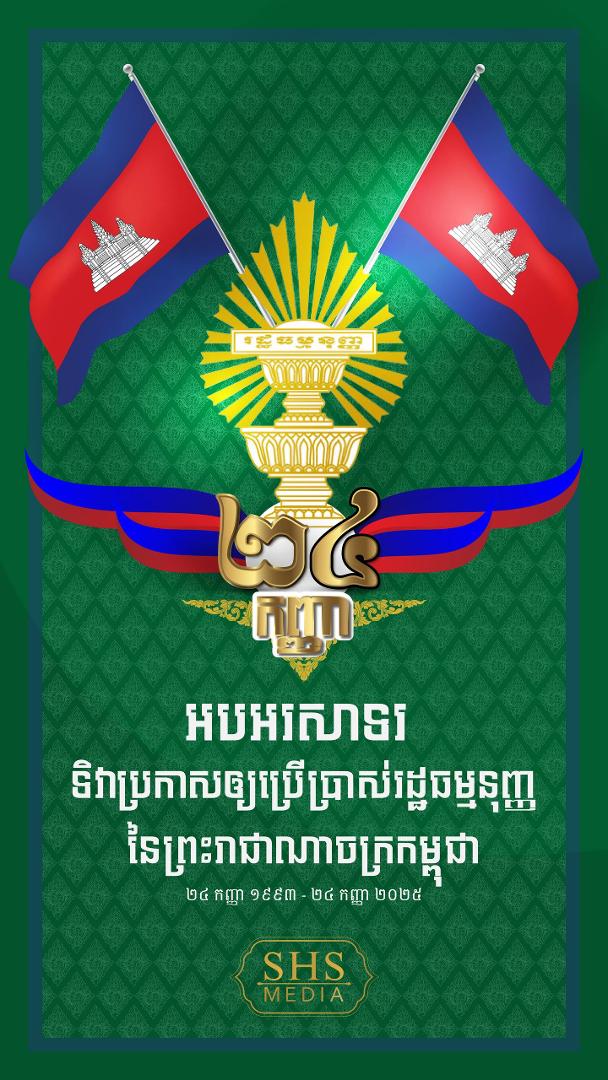
September 24 marks the 32nd anniversary of the formal promulgation of the Constitution of the Kingdom of Cambodia, from September 24, 1993, to September 24, 2025. On this occasion, Acting Head of State Hun Sen welcomed Constitution Day, saying September 24 was the birth date of the 1993 Constitution, which is now 32 years old in 2025. The Constitution is the supreme law of the Kingdom of Cambodia.
Government leaders, senior officials, ministries and other institutions also posted messages celebrating the 32nd anniversary of the promulgation of the Constitution of the Kingdom of Cambodia.
In a social media post on the morning of September 24, Hun Sen recalled that the Paris Peace Agreements of October 23, 1991, set out a comprehensive settlement of Cambodia’s historic crisis. The country subsequently held its first election, from May 23 to 28, with support from the United Nations Transitional Authority in Cambodia (UNTAC). Following the election, the national Constitution was historically established in 1993.
On September 24, 1993, in the Throne Hall of the Royal Palace, the late King Father Norodom Sihanouk signed the royal promulgation instrument formally bringing the Constitution of the Kingdom of Cambodia into effect.
September 24 is the birth date of the 1993 Constitution. By 2025, Cambodia’s Constitution is 32 years old and remains the supreme law of the Kingdom of Cambodia.
All laws and decisions of state institutions must strictly conform to the Constitution.
Cambodia’s Constitution sets out the separation of powers as follows:
1) Legislative power;
2) Executive power;
3) Judicial power. It also establishes citizens’ fundamental rights and principles including the rule of law.
Preah Sihanouk Provincial Television; by: ង៉ែត ពិសាន្ត