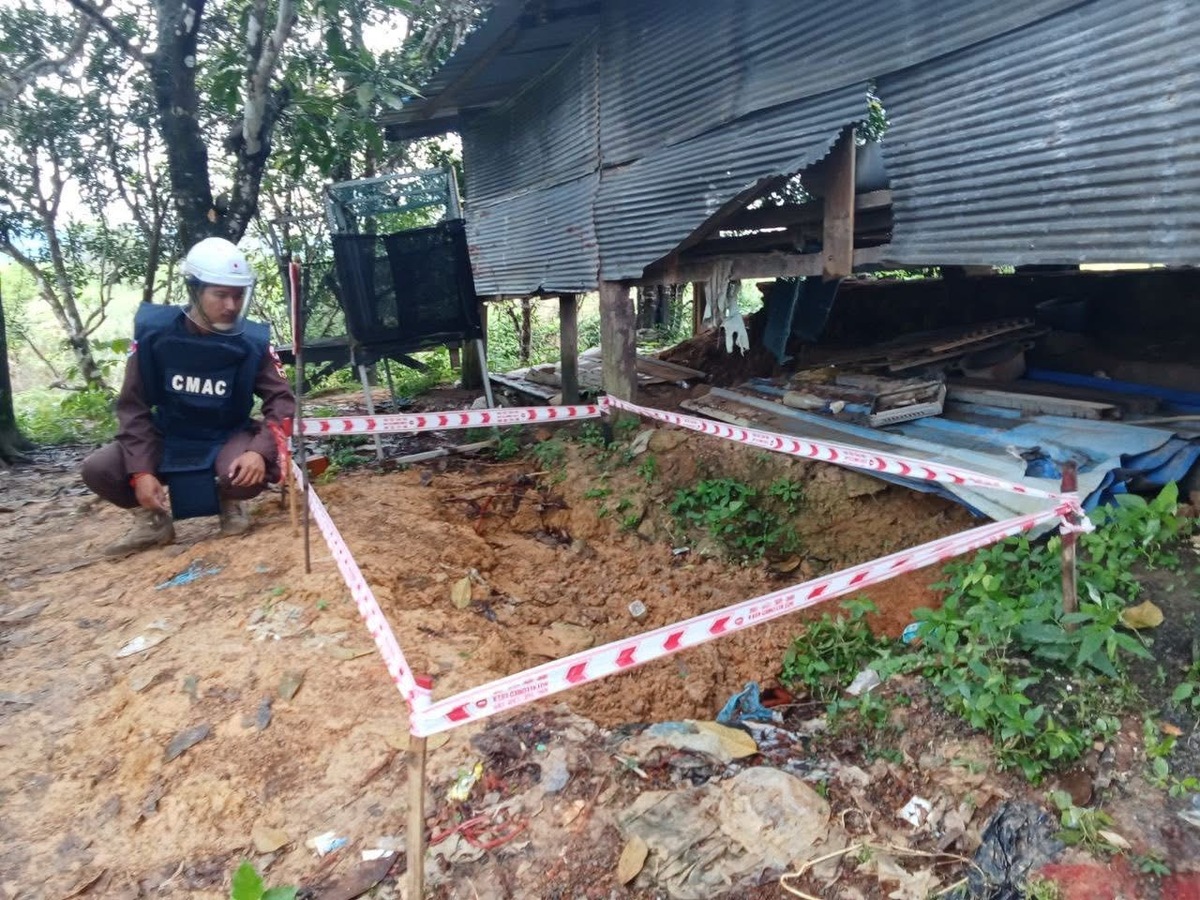
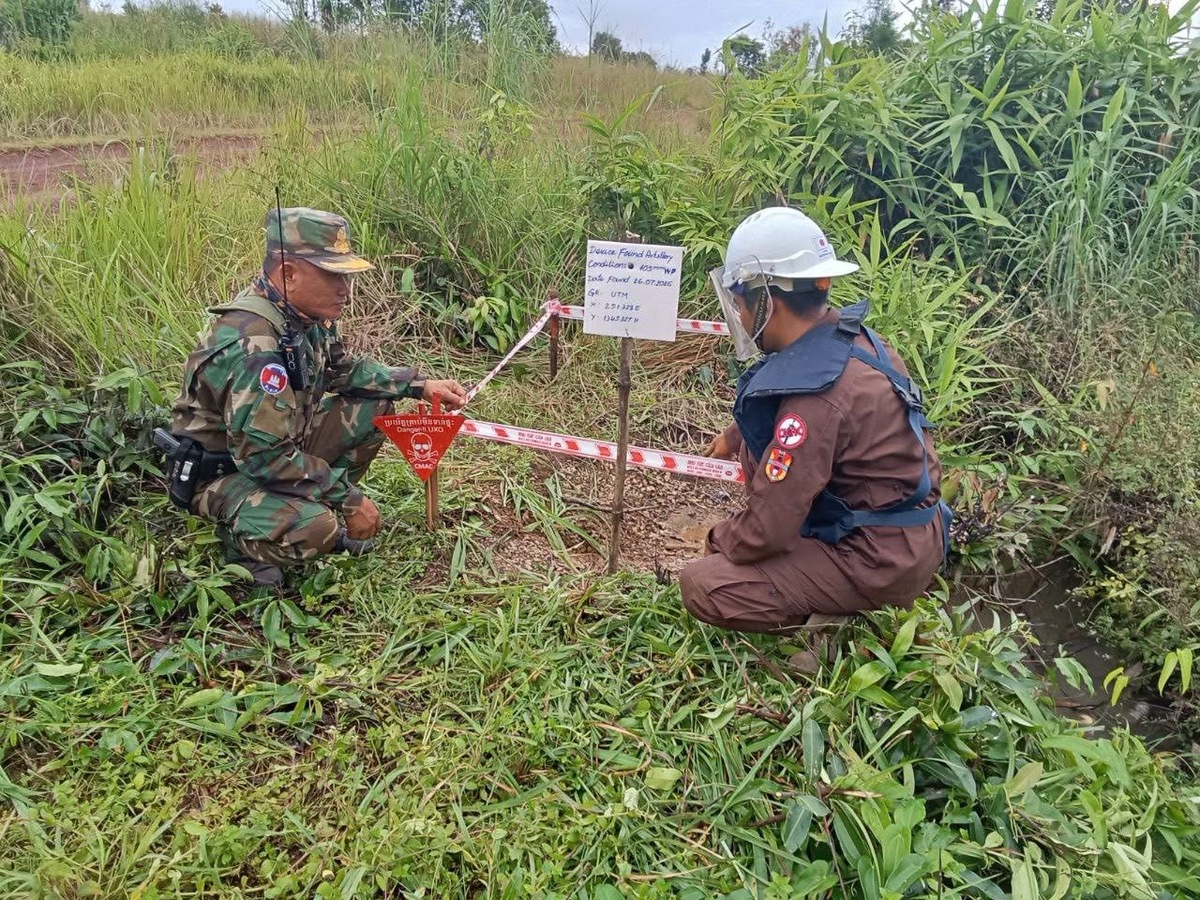
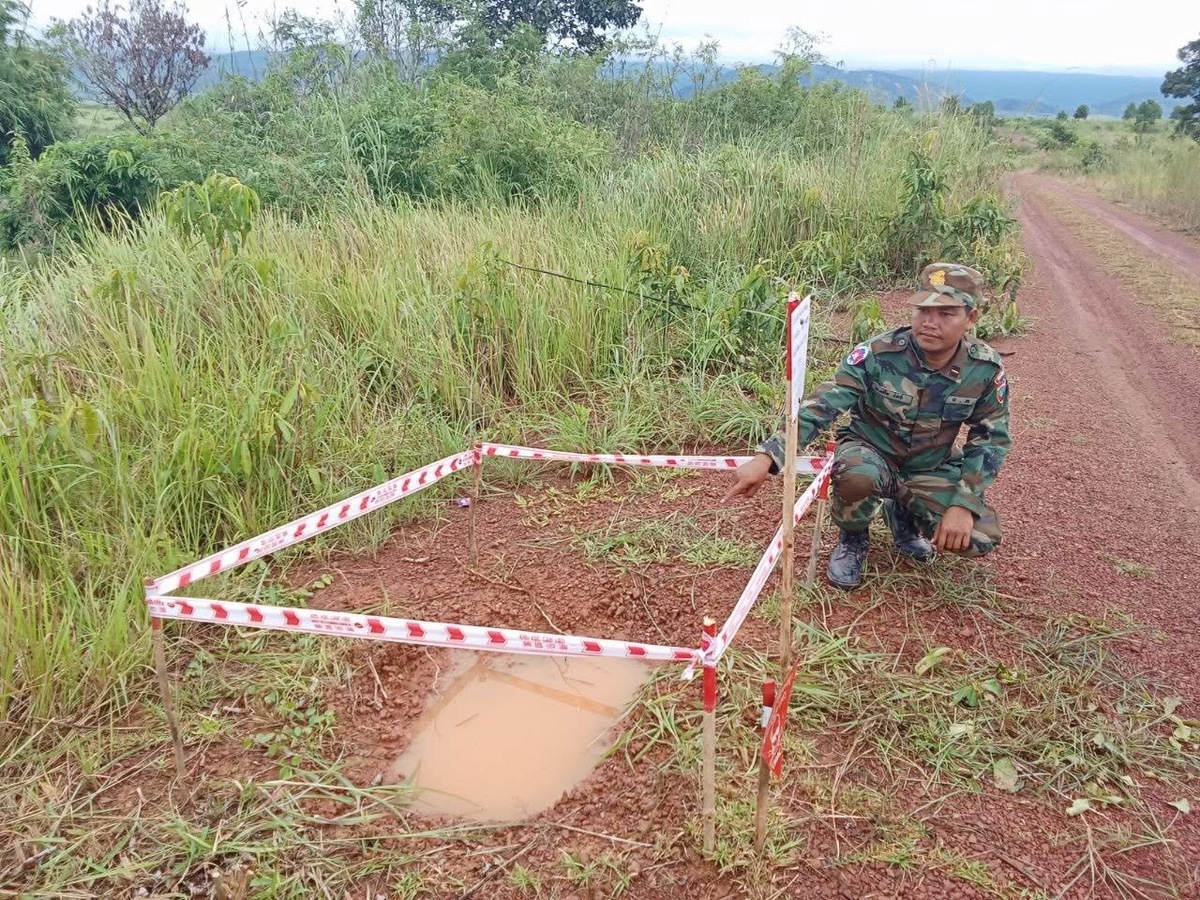
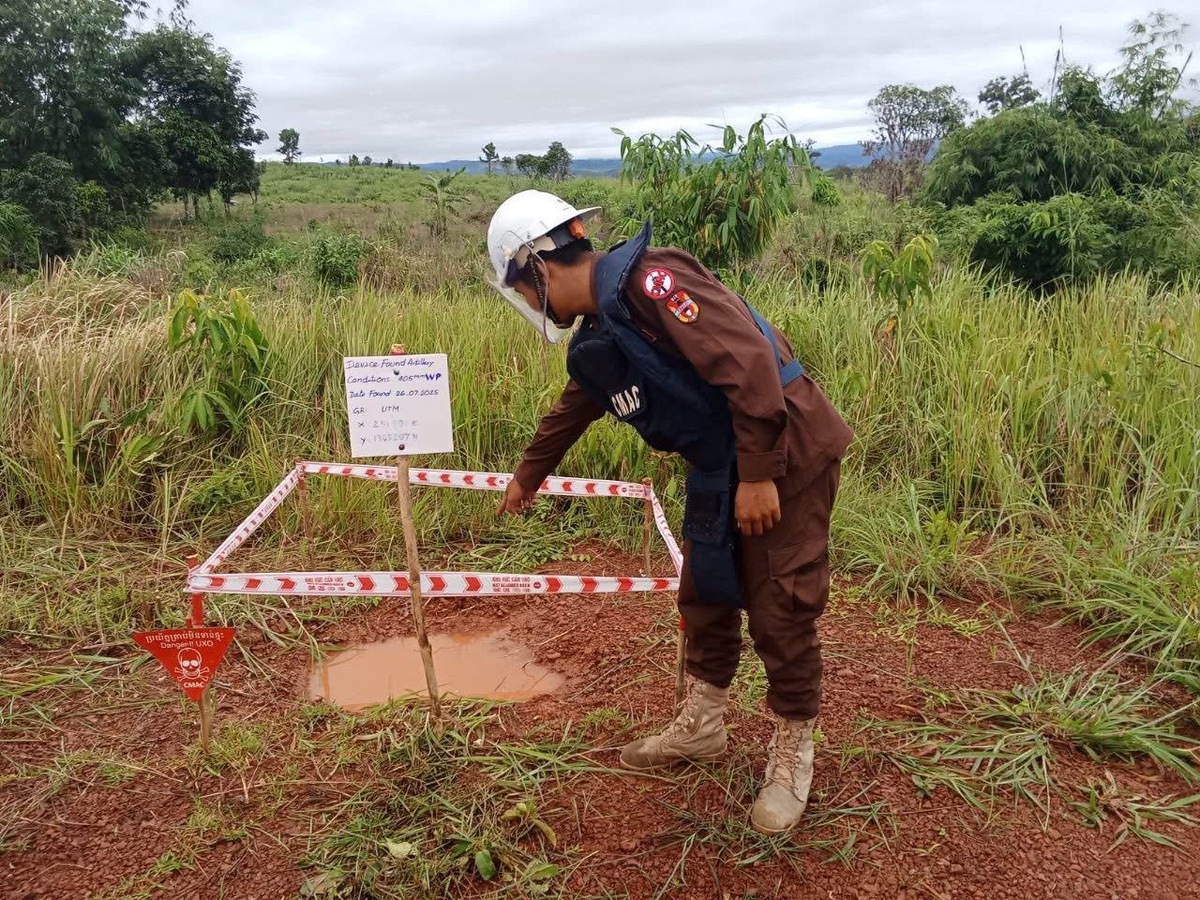
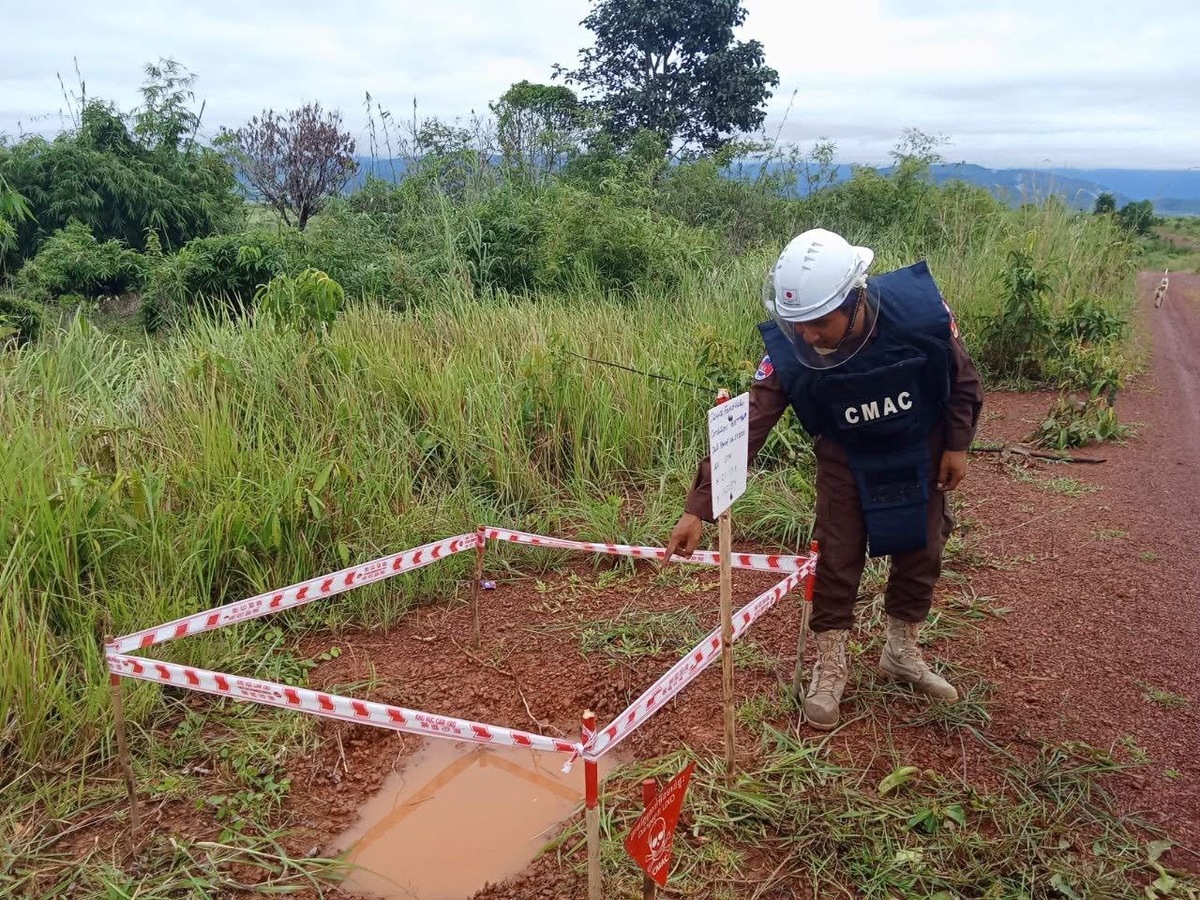
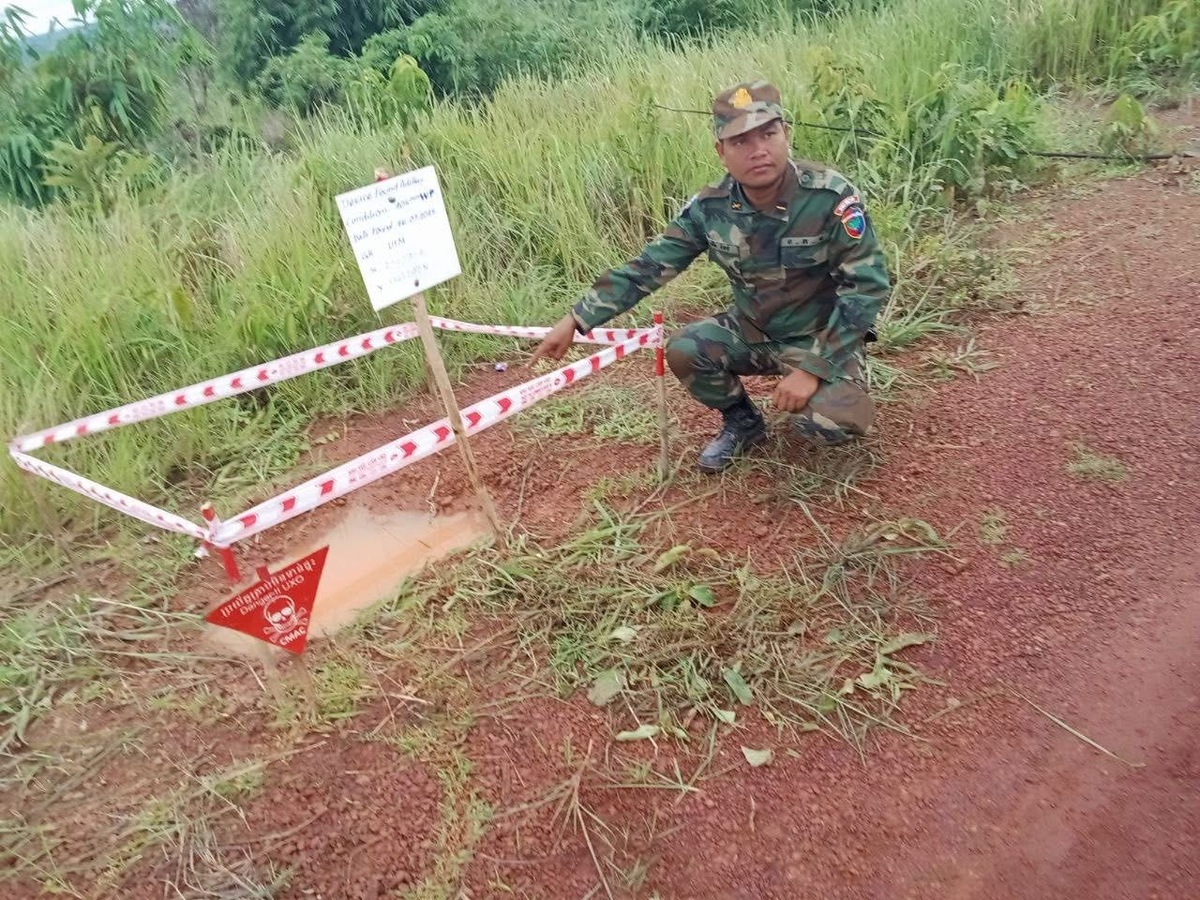
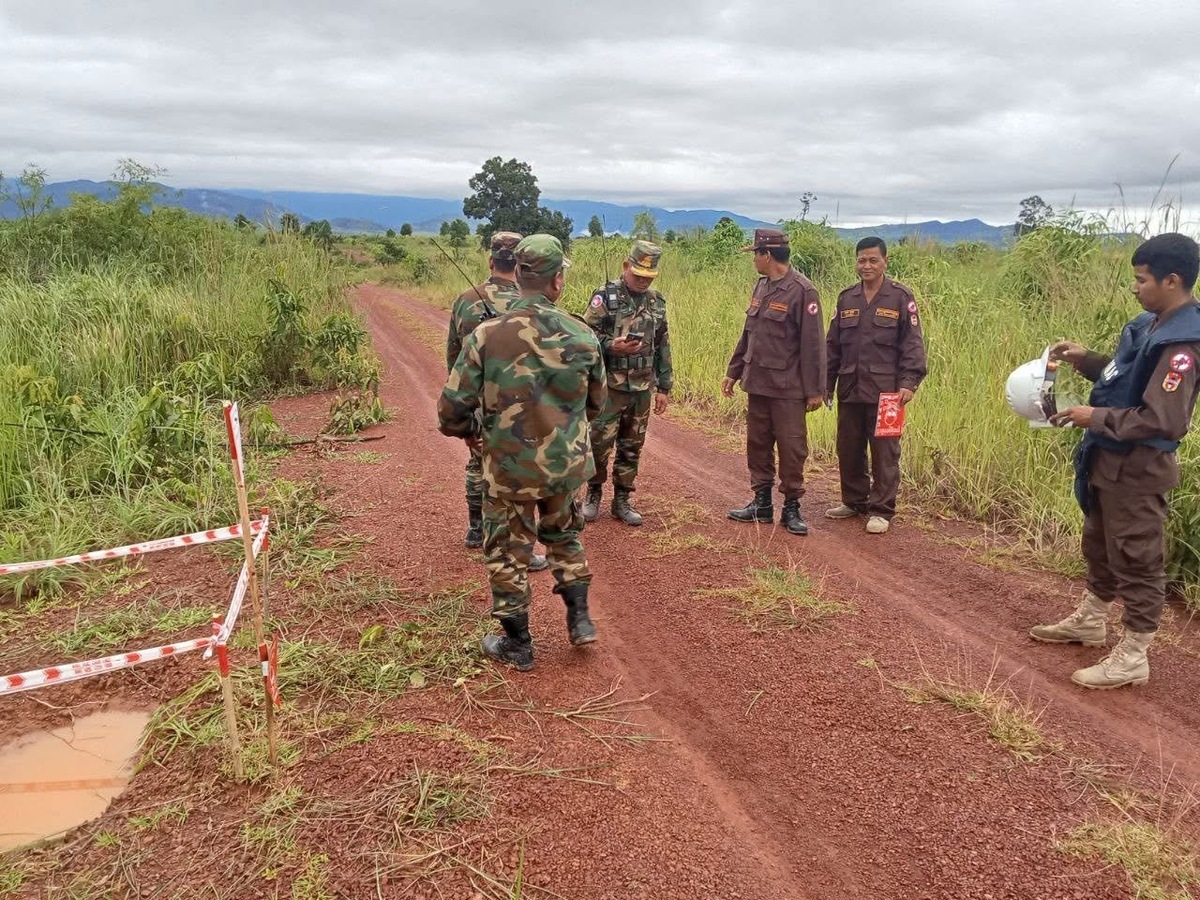
On September 27, 2025, the Cambodian Mine Action Centre (CMAC) deployed specialists with the military to inspect and identify craters left after Thai forces fired on Cambodian territory and troops that day, according to the Cambodian account.
CMAC Director General and Royal Government Delegate Heng Ratana said the incident showed that Thailand had fired first, as Cambodian troops had followed orders to exercise restraint and had not returned fire.
Writing on an official social-media page, Heng Ratana compared the incident with Thai shelling at 5:01 a.m. on July 26 in Phlok Domrey village, Thmor Da commune, Veal Veng district, Pursat. He said both sought to expand the area of fighting and argued that, if only one side fired, the question of who fired first was clear.
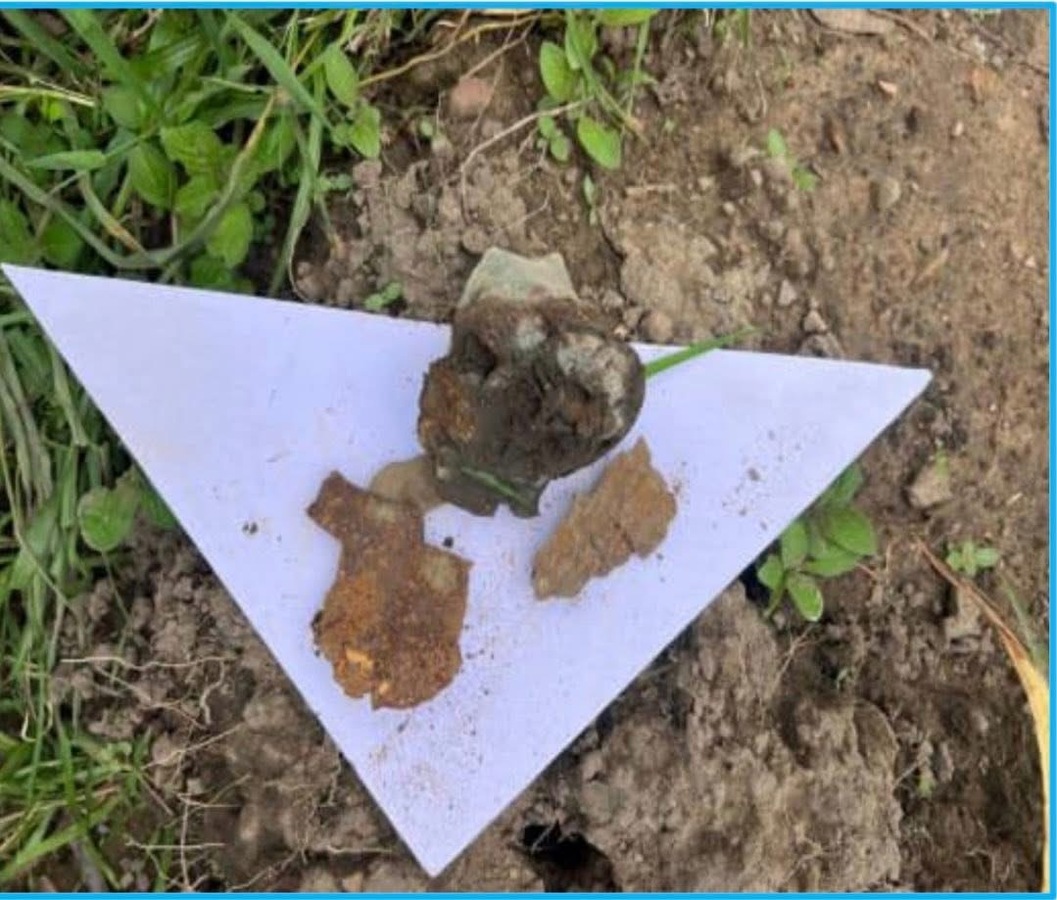
Describing the Thmor Da case, the report says a joint CMAC–military investigation found 21 shells, six of which had exploded. It says technical analysis identified 105 mm ammunition, including four toxic smoke rounds containing white phosphorus (WP) and two high-explosive rounds. It says casing and composition tests could identify the country of manufacture and the side using them.
Heng Ratana described this as evidence that Thailand had fired into Cambodia without Cambodian retaliation. He also maintained that the latest incident had been initiated by the Thai side.
The report presents the comments as Cambodia’s effort to use physical evidence and technical analysis to support its allegation of a ceasefire violation and seek international observers’ attention and verification.
Compiled by KPS99TV.